

Learning to cope with life has been a challenge, as it can be difficult for people with autism to stay organised. However, in order to survive, I have had to develop different strategies. This is so that I get everything done, I can relax, and I know I haven’t missed anything important.
Familiar Places
At home, I keep everything that I need day to day in my handbag. I never remove my keys and wallet, even when I get home. They stay inside my handbag all the time. If I take them out, I will get stressed trying to find them when I need them or even lose them. In my flat, I keep everything in the same places that are familiar to me, and I know I can find what I need when I need it. I hate it when they are moved. I get annoyed, and I have to put them back. I often check and double-check I have turned off my cooker, turned off taps, lights, and locked doors because I worry I haven’t done them, and fear the consequences. It also saves energy. I prefer to live in a structured environment.
Lists and Calendars
I keep a list of tasks I have to do for chores and to meet friends. Once I complete one, I tick it off. Another way is to keep a calendar on my phone, which notifies me when I have a task to do. I couldn’t survive without these methods. I am also learning to prioritise my list. I will do what is most urgent first, and what I can do later, I will complete afterwards.
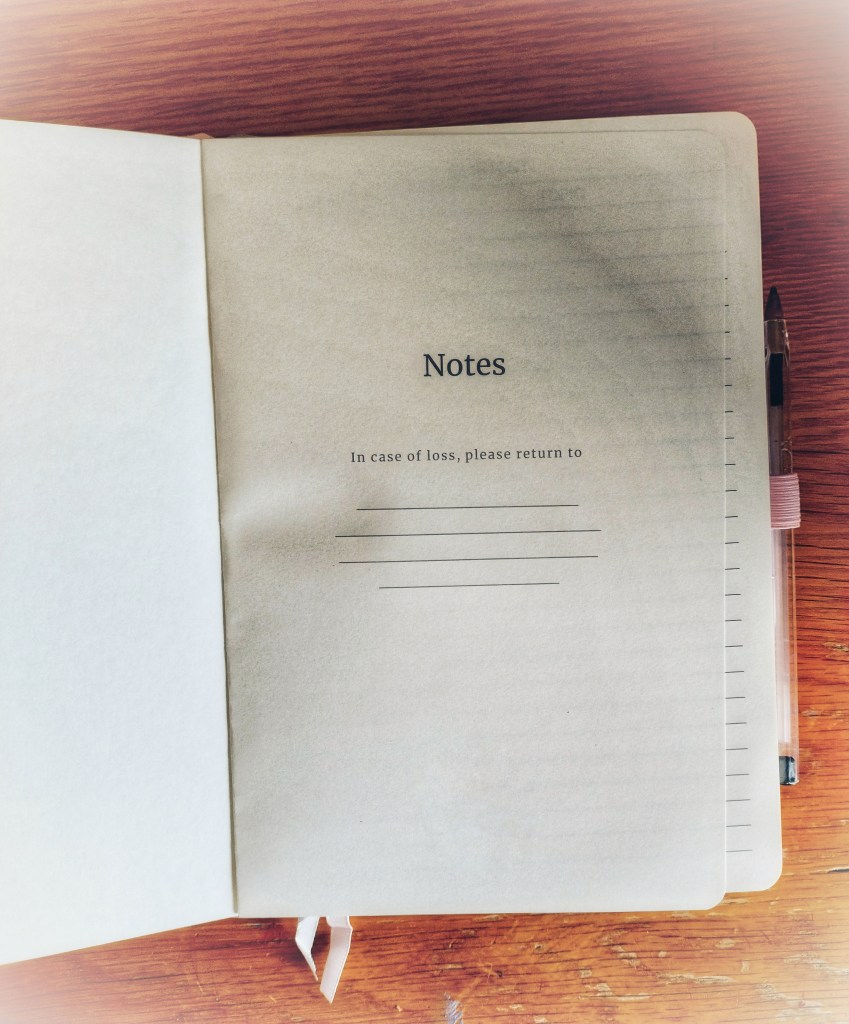
Image by Louise
Paying Bills
I pay bills immediately. If I don’t do this, I will forget to pay them. If I have a lot of bills to deal with at once, I become overwhelmed, so getting them out of the way is key for me. The consequences of not paying bills are a place I would not want to be.
Study
When I studied for my degrees, I took extra time for my assessments. Staying focused was a challenge, so I worked on them in bite-sized, manageable chunks so I could finish on time and get the best mark I could. I was given a week to do an assessment, which was not enough time for me as I was caring for my children and going to work each day. Since I received the assessments ahead of time, I used this to my advantage. I would panic if I had to rush through my assessments. I also needed time to check for mistakes and edit where necessary.
Cleaning
I clean a little at a time. If I see my kitchen is dirty, I will clean it. I don’t try to clean the entire flat at once. I will procrastinate if I feel I have too much to do. One day I will vacuum; on another day I will clean the bathroom. I wipe my cooker and microwave once I have used them. Trying to clean an oven or a microwave with years of burnt-on food makes the job so much more difficult and time-consuming.
Problem-Solving Skills
I believe I have strong problem-solving skills, which is why I have found ways to cope. I hate the thought of living my life with a trail of destruction behind me. I manage much better than I did when I was young because I have found solutions.
The cleaning job I am in at the moment is not demanding. I know where I should be at a certain time because I do the same tasks daily. However, developing strategies will be essential if I move into a more demanding job.
Conclusion
It can be very tiring keeping on top of everything, but these small strategies help me manage my work and household. They can benefit anyone, not just someone with autism.

 My Autism Life After Diagnosis
Leave a reply to Out of Sight, Out of Mind – My Autism Life After Diagnosis Cancel reply